 how-to
How to Improve Curbside Appeal: 2026 Homeowner Guide
Table of Contents
- Why Curbside Appeal Still Decides First Impressions in 2026
- Start With Exterior House Cleaning and House Washing
- Curb Appeal Landscaping: Lawn, Beds, and Foundation Planting
- Professional Gutter Cleaning and Roofline Maintenance
- Walkways, Paths, and the Front Entrance
- Lighting, Windows, Doors, and Exterior Paint
- Your Prioritized Improvement Plan: Budget Tiers and DIY Difficulty
- Conclusion: Small Changes, Big Returns
- Frequently Asked Questions
Last Updated: October 5, 2026
Why Curbside Appeal Still Decides First Impressions in 2026
Curbside appeal is how your home looks from the street, and it shapes what neighbors, buyers, and passersby think before they knock. Improving it comes down to four high-impact projects: cleaning, landscaping, lighting, and small repairs.
We work on exteriors across Hamilton County every week. The pattern never changes: the homes that look best are not the ones that spent the most. They are the ones that handled the basics first.
Start With Exterior House Cleaning and House Washing
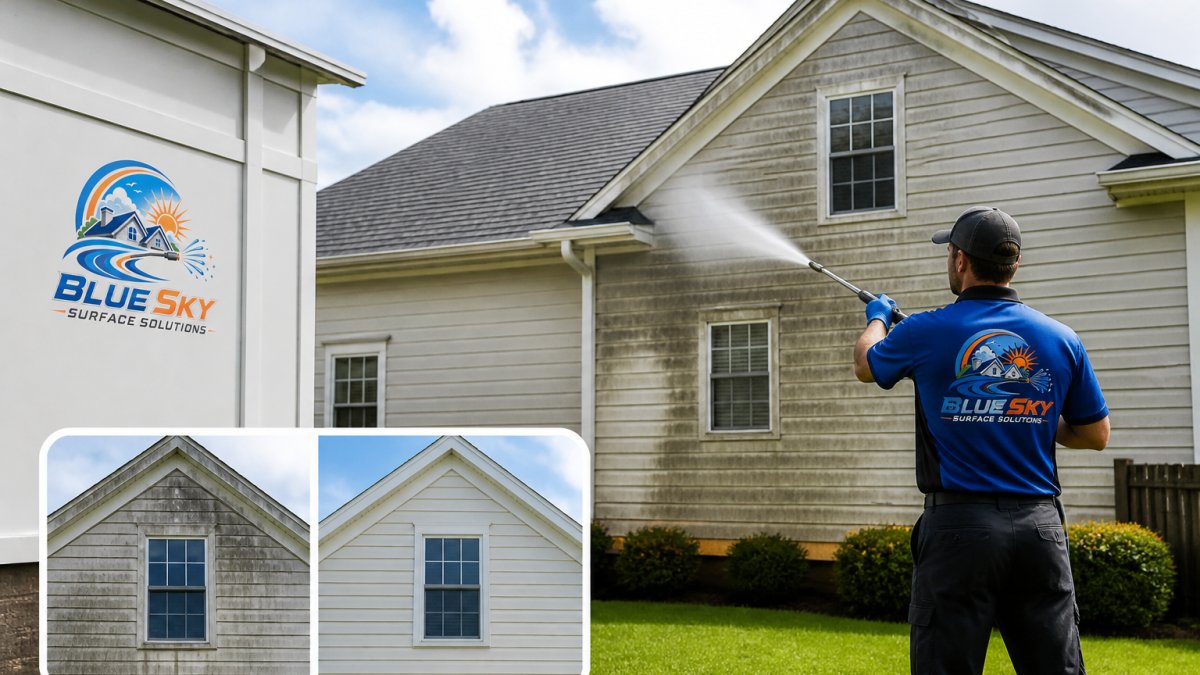
Exterior house cleaning is the fastest, cheapest way to change how your home reads from the street.
A typical house washing job covers:
- Siding on all four sides
- Eaves, soffits, and fascia
- Porch ceilings and columns
Plan on an annual cleaning at minimum. Homes under heavy shade or near trees often need it twice a year.
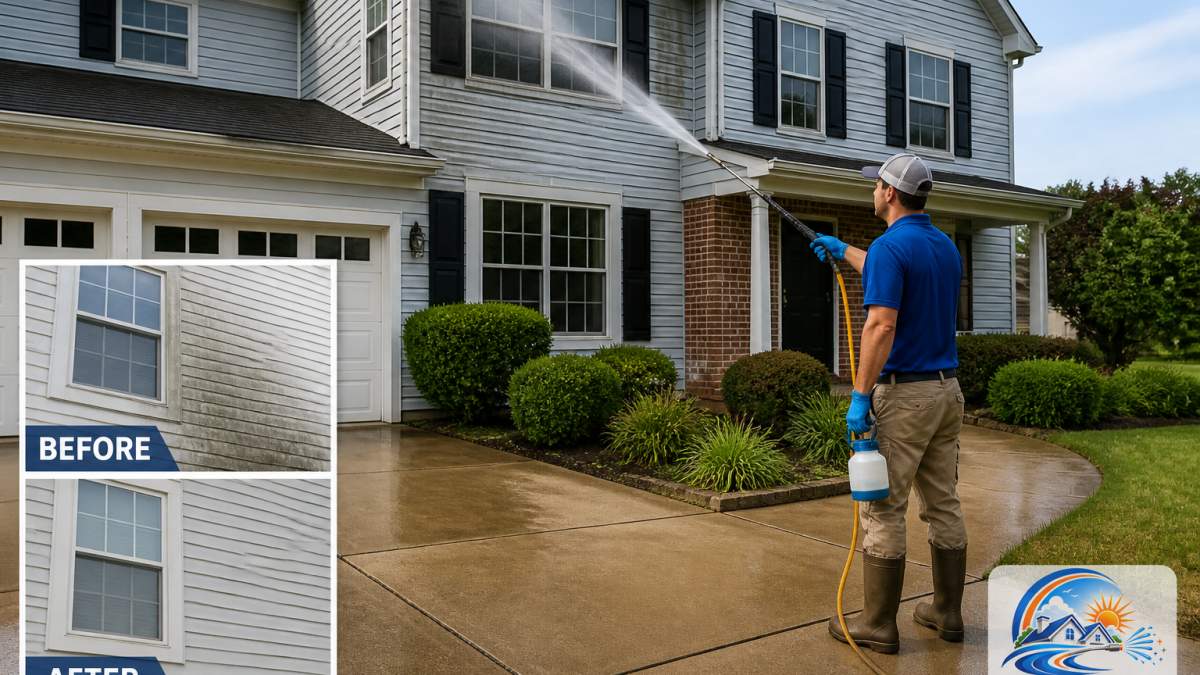
Soft Washing vs. Pressure Washing: What Your Siding Needs
Soft washing uses low pressure and cleaning solutions to lift organic growth off siding. Pressure washing uses high pressure to blast dirt and grime off hard surfaces.
| Surface | Best Method | Why |
|---|---|---|
| Vinyl and fiber cement siding | Soft washing | High pressure can force water behind panels |
| Painted wood | Soft washing | Pressure strips paint and etches the grain |
| Concrete driveways and walkways | Pressure washing | Needs force to lift embedded dirt |
| Brick and stone | Pressure washing at low setting | Too much force damages mortar |
| Roof shingles | Soft washing | Walking or spraying at high pressure voids warranties |
The mistake we see most is someone renting a pressure washer and pointing it at vinyl siding. It looks fine for a week. Then water works behind the panels and you are looking at a repair.
Curb Appeal Landscaping: Lawn, Beds, and Foundation Planting
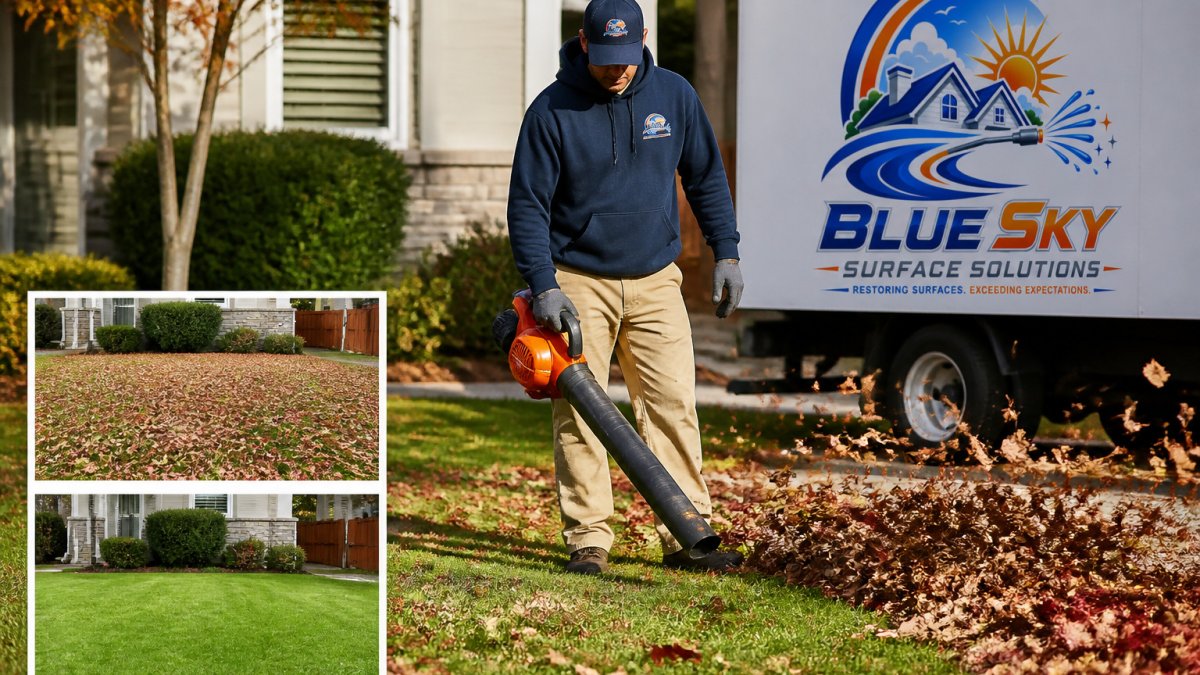
Curb appeal landscaping starts with three things: a cut lawn, edged beds, and plants that look intentional. You do not need a designer. You need a mower, an edger, and a plan.
Work in this order:
- Mow and edge the lawn weekly during growing season
- Clear weeds and debris from all beds
- Add fresh mulch to a depth of 2 to 3 inches
- Trim overgrown shrubs back from the house
- Fill any bare spots with new plants
Mulch is the single best return in this category. Fresh dark mulch makes beds look finished and holds moisture through summer.
Evergreen Shrubs, Planters, and Seasonal Color
Evergreen shrubs give you structure that lasts all year, boxwood, holly, and yew hold their shape through winter. For seasonal color, use containers instead of replanting beds: two planters flanking the front door let you swap annuals each season without touching the ground beds.
A simple foundation planting plan:
- Tall evergreens at the corners for height
- Medium shrubs under windows, kept below the sill
- Low perennials or ground cover at the front edge
Keep shrubs at least 12 inches from the siding. Plants that touch the house trap moisture and invite pests.
Professional Gutter Cleaning and Roofline Maintenance
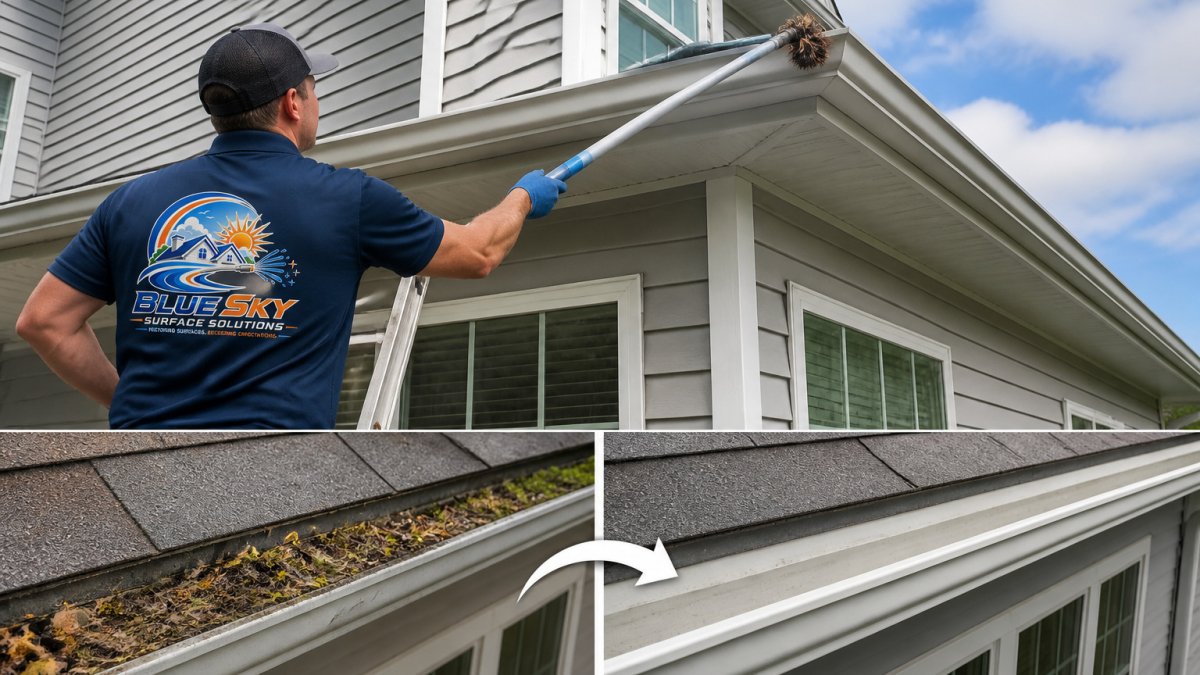
Professional gutter cleaning protects everything else on this list. Full gutters overflow, and that water lands on your siding, foundation beds, and walkway.
Signs you need it now:
- Water staining on the fascia boards
- Plants washing out of beds below the roofline
- Gutters sagging or pulling away from the house
Clean gutters twice a year in most cases. Homes under trees need it more often, especially after fall leaf drop.
Downspouts matter just as much: water should exit at least 4 to 6 feet from the foundation.
Walkways, Paths, and the Front Entrance
The path to your front door is the route every visitor takes, and the one exterior feature people physically touch. Make it clean, safe, and obvious, and start by reading what it is made of, because the right cleaning method changes with the material:
- Poured concrete. Pressure washing at a moderate setting lifts embedded dirt and the black algae film that builds in shaded runs. Keep the wand moving and stay off the joints at full force.
- Paver and brick. Use lower pressure and a wider fan tip. High pressure blows the joint sand out, and once the sand is gone the pavers shift.
- Flagstone and bluestone. Soft wash or low pressure only. These surfaces flake and pit under a narrow high-pressure tip.
After cleaning, handle the structural items in this order:
- Pull weeds from every crack and joint, roots and all
- Re-sand polymeric joints if they have washed out
- Reset any paver that has lifted or sunk more than a quarter inch
- Repair cracked or heaved concrete sections that trip people
- Add edging to separate the path from the lawn
- Keep the path at least 3 feet wide and clear of shrubs
Safety comes before looks here. Loose pavers and slick algae cause real falls, especially in wet weather, and a clean, even path reads as a well-kept home even if nothing else has changed.
Accessibility and the Entry Zone
An entry that works for everyone is also an entry that looks intentional:
- Keep the walking surface free of a lip or step edge higher than a half inch where possible
- Add a handrail on any run of three or more steps
- Use a mat with a beveled edge so it does not curl and catch a foot or a walker
For the entrance itself, clear the doorway completely, shoes, toys, old mats. A single clean mat and a visible house number do more than a new light fixture. House numbers should be readable from the street in daylight and lit or reflective at night, because that is what delivery drivers and emergency responders look for.
What Drives the Cost on This Project
Walkway work ranges widely, and the drivers are predictable:
- Square footage. A short 20-foot run to the door costs far less than a full wrap-around path.
- Material. Concrete is the least expensive poured option. Pavers cost more in material and labor but can be repaired section by section. Natural stone sits at the top.
- Site prep. Removing an old slab, correcting drainage slope, or working around established roots adds labor.
A common pattern is to clean and repair what you have first, then replace only the cracked or heaved sections, keeping the project far smaller.
If the path is slick, uneven, or shaded enough that it stays damp, that is the project to hand off. We clean and restore walkways and entries as part of our exterior service so the route to your door is safe and sharp at the same time.
Lighting, Windows, Doors, and Exterior Paint
Lighting, windows, and doors are the details people notice up close. Exterior paint is the big swing, changing the whole front facade at once.
Start with lighting:
- Replace burned-out bulbs everywhere, including the garage
- Add a lamp post near the walkway if you have none
- Use warm white bulbs, not bright white
Lighting also adds security: a well-lit front entrance is a real deterrent and costs very little to run.
Then handle windows and doors:
- Wash exterior glass and screens
- Replace cracked caulk around frames
- Repaint or stain a worn front door
Exterior paint is the largest project on this list. If your paint is chalky, peeling, or faded, a fresh coat in a current color updates the entire home.
Your Prioritized Improvement Plan: Budget Tiers and DIY Difficulty
Most articles hand you a list of ideas but skip the order and the money. Here is how we would sequence the work, grouped by what you are likely to spend and how hard it is to do yourself.
The Order of Operations
Cleaning first, always. Then landscaping. Then the small repairs. Paint last, because it is the biggest job and the one you want to do after everything else is clean. Cleaning before painting also tells you whether the paint actually needs replacing or was just dirty.
| Priority | Project | DIY Difficulty | Time | Frequency |
|---|---|---|---|---|
| 1 | House washing and exterior cleaning | Easy | Half day | Annual |
| 2 | Lawn mowing and bed edging | Easy | 2 hours | Weekly in season |
| 3 | Mulch refresh | Easy | Half day | Annual |
| 4 | Professional gutter cleaning | Moderate | 1 to 2 hours | Twice a year |
| 5 | Walkway pressure washing | Easy | 2 to 3 hours | Annual |
| 6 | Lighting updates | Easy | 1 hour | As needed |
| 7 | Window and door washing | Easy | 2 hours | Twice a year |
| 8 | Front door paint | Moderate | 1 day | Every 5 to 7 years |
| 9 | Full exterior paint | Hard | Several days | Every 7 to 10 years |
Budget Tiers
Think in tiers rather than a single number, because the tiers stack. You can do tier one this month and tier two next season.
Tier one, cleanup and refresh. The lowest-cost tier and the one with the fastest visible change: house washing, lawn care, bed edging, mulch, walkway cleaning, and lighting bulbs.
Tier three, major upgrades. Full exterior paint, new walkway sections, new entry lighting fixtures, and any structural repair.
What Changes the Order for Your Home
- Climate and tree cover. Homes under heavy shade or near mature trees grow algae faster and collect more debris, so move cleaning and gutter work up in frequency. Homes in full sun fade faster and need paint sooner.
- Home style. A split-level home shows its roofline and upper siding more than a ranch, so gutters and fascia matter more. A deep front porch hides the siding but puts the porch ceiling, columns, and floor on display instead.
- Accessibility. If ladders are not safe for you, move gutter cleaning and any roof work to a professional. Falls from height are the risk worth paying to avoid.
Measure It, Don't Guess
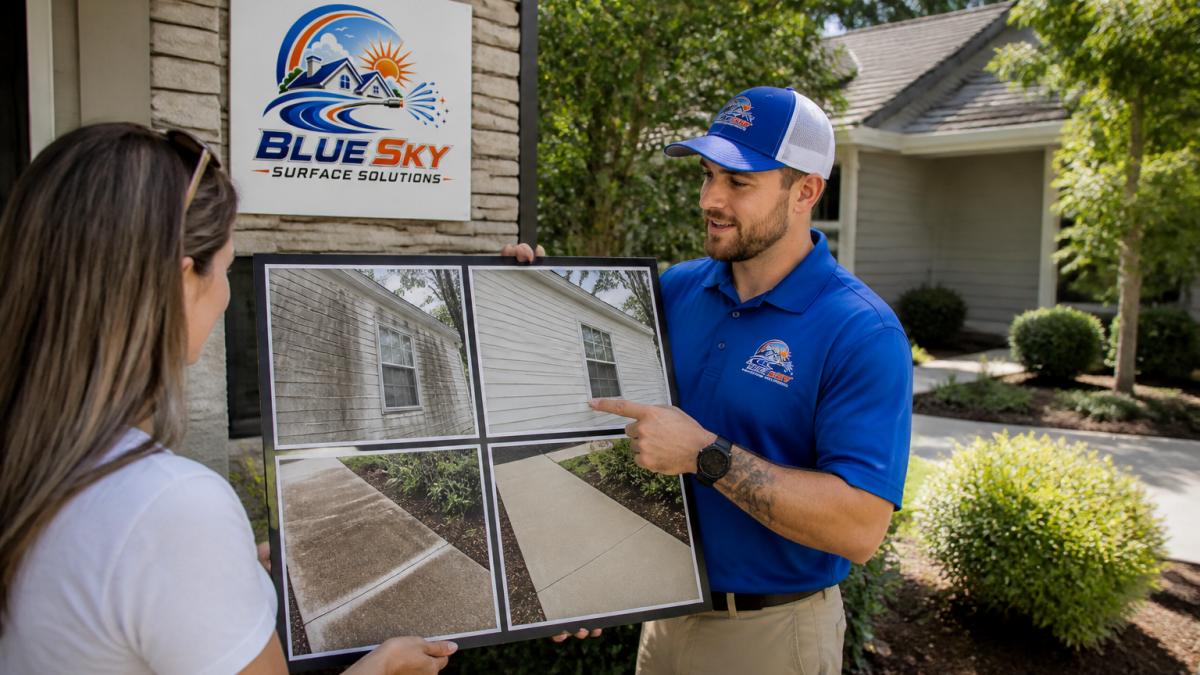
To see how much difference the cleaning steps make, photograph your home from the street before you start, then take the same photo from the same spot after. The comparison usually settles where to spend next and which tier you need.
If you would rather not climb a ladder or rent equipment, we handle the cleaning, soft washing, and gutter work that anchor tier one and tier two. Reach out for a quote and we will tell you honestly which tier your home needs first.
Conclusion: Small Changes, Big Returns
Most homeowners assume curbside appeal takes a big budget. In practice, the homes that stand out stay clean, keep their beds edged, and fix small problems before they spread, steady work, not expensive work.
Blue Sky Surface Solutions handles the parts that are hardest to do safely yourself: house washing, soft washing, and professional gutter cleaning across the Hamilton County area.
Get a free quote from Blue Sky Surface Solutions and start with the project that will change your home's first impression the most.
Frequently Asked Questions
What are some simple ways to improve curbside appeal?
Start with cleaning: wash the exterior, clear the gutters, and pressure wash the walkway. Then edge the lawn, refresh mulch in the flower beds, and add a few potted plants near the front door. Swap outdated light fixtures for modern ones and repaint the front door in a contrasting color. These small changes cost little but make a visible difference. For professional exterior house cleaning and gutter service, contact Blue Sky Surface Solutions for a free quote.
Does cleaning gutters improve curb appeal?
Yes. Clogged gutters overflow during rain, staining the siding and fascia and creating streaks that are visible from the street. Professional gutter cleaning removes debris so water flows correctly, keeping the roofline and exterior walls clean. It also prevents water from pooling near the foundation, which can damage landscaping. Annual gutter cleaning is one of the highest-return maintenance tasks for curb appeal. Blue Sky Surface Solutions offers professional gutter cleaning in Hamilton County.
How can landscaping make a home look more inviting?
Landscaping guides the eye toward the front entrance. A neatly edged lawn, trimmed evergreen shrubs along the foundation, and a clear walkway create a welcoming path. Add seasonal color with planters or flower beds, and use mulch to define bed edges. Keep plants below window height so they do not block light or sightlines. Regular maintenance, including leaf removal in fall, keeps the yard looking cared for year-round. Blue Sky Surface Solutions provides curb appeal landscaping and leaf removal services.
What are common curb appeal mistakes?
Common mistakes include ignoring exterior cleaning, letting gutters overflow, overgrown shrubs blocking windows, and a cluttered or dimly lit entrance. Another is choosing paint colors that clash with the roof or siding. Homeowners also forget to maintain walkways and driveways, letting cracks and stains accumulate. Skipping seasonal tasks like leaf removal or snow removal leaves the property looking neglected. A prioritized plan that tackles cleaning, landscaping, and lighting first avoids these pitfalls. Blue Sky Surface Solutions can help with exterior cleaning and tree services.